Digital advertising in 2026 is more competitive than ever, and businesses can no longer rely on one-off campaigns or single-platform strategies. Success now depends on building a full-funnel advertising approach that nurtures prospects from the first impression to long-term brand loyalty. By combining the strengths of Meta Ads and Google Ads, businesses can create a connected journey that drives higher conversions, stronger customer relationships, and sustainable growth.
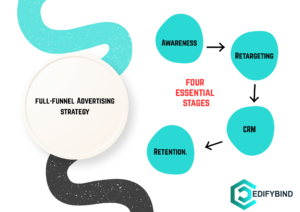
A full-funnel strategy is not just about generating leads—it’s about guiding people through four essential stages: Awareness → Retargeting → CRM → Retention. When these stages work together seamlessly across Meta and Google, businesses gain a powerful edge in crowded markets.
1. Awareness: Capturing Attention Across Platforms
The awareness stage sets the tone for the entire funnel. This is where brands need to attract the right audience, deliver a strong first impression, and create interest that pushes users further into the journey.
On Meta Ads, attention is driven primarily through striking visuals, storytelling reels, and thumb-stopping creatives. Businesses should highlight strong value propositions and use formats such as video ads, carousel ads, and advantage placements to maximize visibility. The goal is simple: reach users where they spend most of their social time and introduce the brand with clarity and emotion.
On Google Ads, awareness is supported by the strength of YouTube campaigns, Display networks, and even broad-match Search ads that capture early intent. YouTube, especially, plays a major role in 2026, as video consumption continues rising. Short-form, punchy videos with clear messaging help brands enter new markets quickly.
Key focus areas:
- Use broad audience targeting on Meta to widen the top of the funnel.
- Leverage YouTube in-stream ads for high-impact storytelling.
- Highlight strong angles like free trials, solutions to everyday problems, or industry pain points.
This phase is not about selling—it’s about making your brand memorable.
2. Retargeting: Moving Warm Audiences to Action
Once people know the brand, the next step is to guide them toward action. This is where retargeting becomes the powerhouse of conversions.
On Meta, retargeting helps re-engage users who have interacted with content, clicked ads, visited websites, or added items to cart but didn’t complete the action. Here, businesses should use:
- Custom audiences
- Engagement-based retargeting
- Website event-based retargeting
- Dynamic product ads for e-commerce brands
This stage should highlight offers, testimonials, case studies, and strong CTAs that push the user closer to conversion.
On Google Ads, retargeting is strengthened through remarketing lists, display remarketing, and YouTube bumper ads that reinforce brand recall. When a user searches again, a Search remarketing campaign helps you reappear at the top when intent is strongest.
Effective retargeting messaging includes:
- Limited-time offers
- Product/service benefits
- Social proof and customer experiences
- Reasons to take the next step now
This stage filters out casual audiences and identifies people ready to commit.
3. CRM Integration: Turning Leads Into Customers
A full-funnel strategy is incomplete without CRM integration. Once leads are generated, they must be nurtured consistently until they convert. In 2026, CRM-led nurturing has become a defining factor of campaign success.
Leads collected through Meta lead forms, Google lead ads, or website funnels should automatically flow into a central CRM. This allows businesses to track user behavior, segment leads by interest or intent and deliver relevant messaging at the right time.
CRM systems help deliver:
- Email sequences
- WhatsApp reminders
- SMS follow-ups
- Call scheduling
- Personalized offers and updates
When CRM data is synced with Meta and Google platforms, retargeting becomes smarter and more precise. Businesses can run campaigns for lead nurturing, abandoned enquiries, warm prospects, and repeat-buy audiences.
The CRM stage ensures that no potential customer slips away.
4. Retention: Building Long-Term, High-Value Customers
The final stage of the funnel—retention—is where profitable growth truly happens. Acquiring customers is costly; retaining them delivers higher ROI.
Meta and Google both offer strong solutions for keeping customers engaged:
- Meta supports loyalty building through community engagement, value-driven content, and exclusive announcements.
- Google supports retention through remarketing lists, YouTube education campaigns, and Search campaigns for repeat purchases.
Retention-focused campaigns may include:
- Special loyalty offers
- New product launches
- Upsell/cross-sell promotions
- Community-driven content
- Feedback loops
A well-maintained retention system turns one-time buyers into long-term supporters.
Key Takeaways:
The brands that will lead in 2026 are those that follow a full-funnel advertising approach by merging the strengths of Meta Ads and Google Ads. From creating awareness to nurturing loyalty, each stage plays a critical role in shaping conversions and building long-lasting customer relationships.
If you’re ready to build a high-conversion AD campaign strategy, Edifybind offers expert support in creative campaigns, funnel planning, and performance-driven advertising to help businesses grow with confidence.